Heat and UVBComparison
Reptile UVB Lighting: T5 HO vs Compact vs Mercury Vapor, by Species
UVB zones by species from the UV-Tool study, T5 HO vs T8 vs compact vs mercury vapor lamps, distances, mesh losses and replacement intervals from the makers.
We earn from qualifying purchases through links on this page. How we make money.
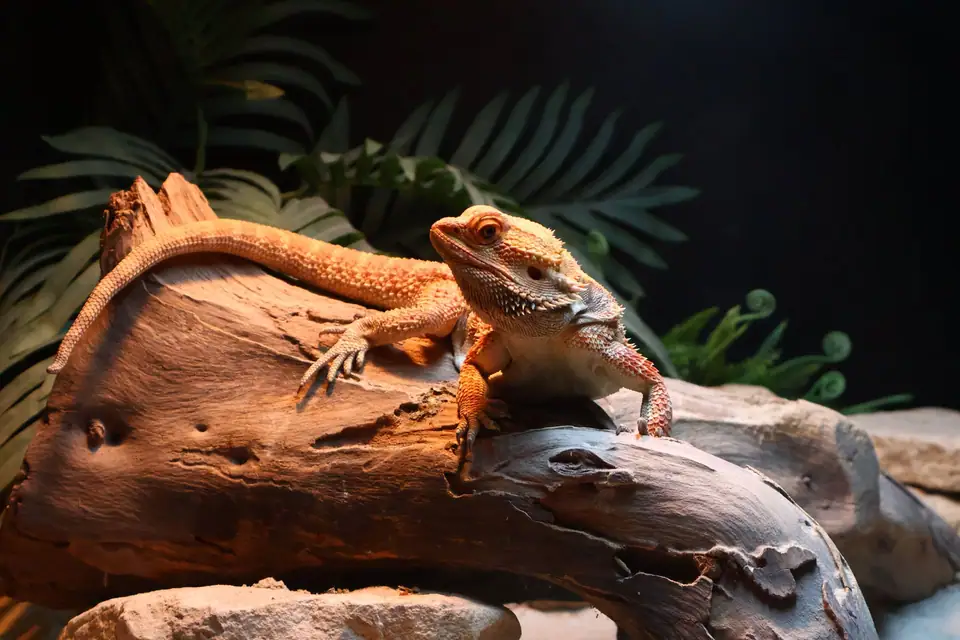
Match a reptile’s UVB lamp to its Ferguson zone from the UV-Tool study (Baines et al. 2016): zone 1 for shade dwellers such as leopard geckos, zone 3 to 4 for full-sun baskers such as bearded dragons. T5 HO tubes are stronger than T8s, and mercury vapor bulbs add heat. Set the distance from the maker’s chart.
What are the UVB zones?
The UV-Tool paper assigns 254 species to four Ferguson zones, each defined by the UV Index (UVI) measured at the animal:
| Zone | Type of reptile | Zone range (UVI) | Maximum recorded (UVI) |
|---|---|---|---|
| 1 | Crepuscular or shade dweller | 0 to 0.7 | 0.6 to 1.4 |
| 2 | Partial sun or occasional basker | 0.7 to 1.0 | 1.1 to 3.0 |
| 3 | Open or partial sun basker | 1.0 to 2.6 | 2.9 to 7.4 |
| 4 | Mid-day sun basker | 2.6 to 3.5 | 4.5 to 9.5 |
Two ways of lighting follow from the zones. The shade method spreads low background UV over much of the enclosure, and the paper calls it the method of choice for zones 1 and 2. The sunbeam method makes a brighter basking patch, for zones 3 and 4, with the maximum column as a guide to the most allowed. For zone 4 under artificial lamps, the paper sets UVI 7.0 to 8.0 at the animal as the absolute maximum.
Which zone is my reptile?
| Species | Ferguson zone (UV-Tool) |
|---|---|
| Bearded dragon | 3 to 4 |
| Leopard gecko | 1 |
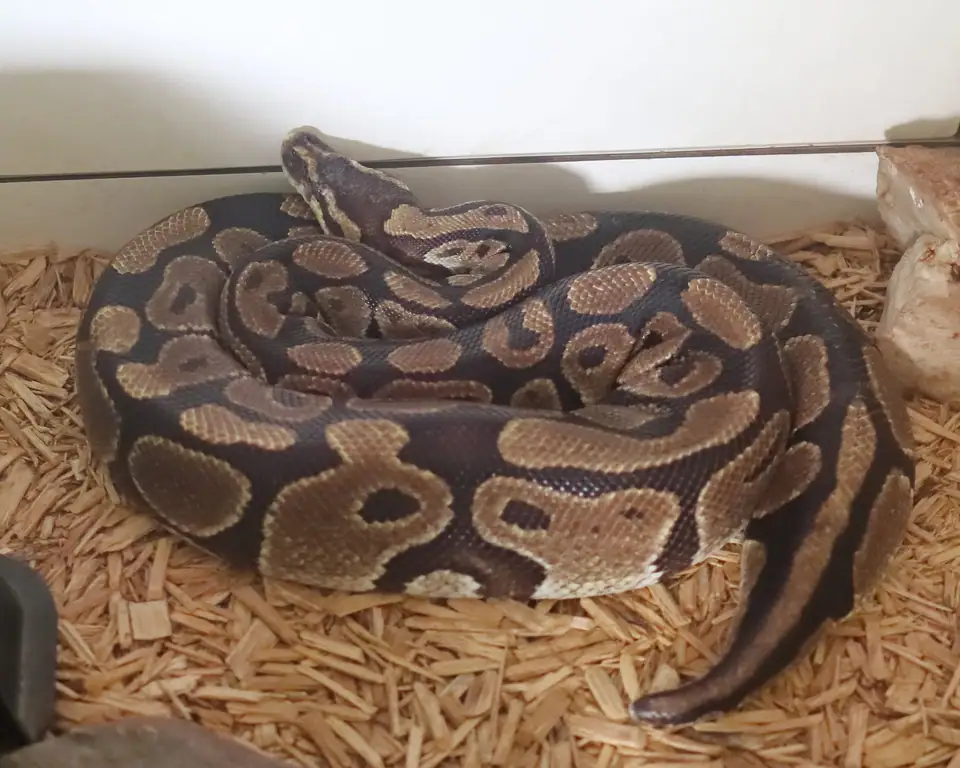
| Ball python | 2 |
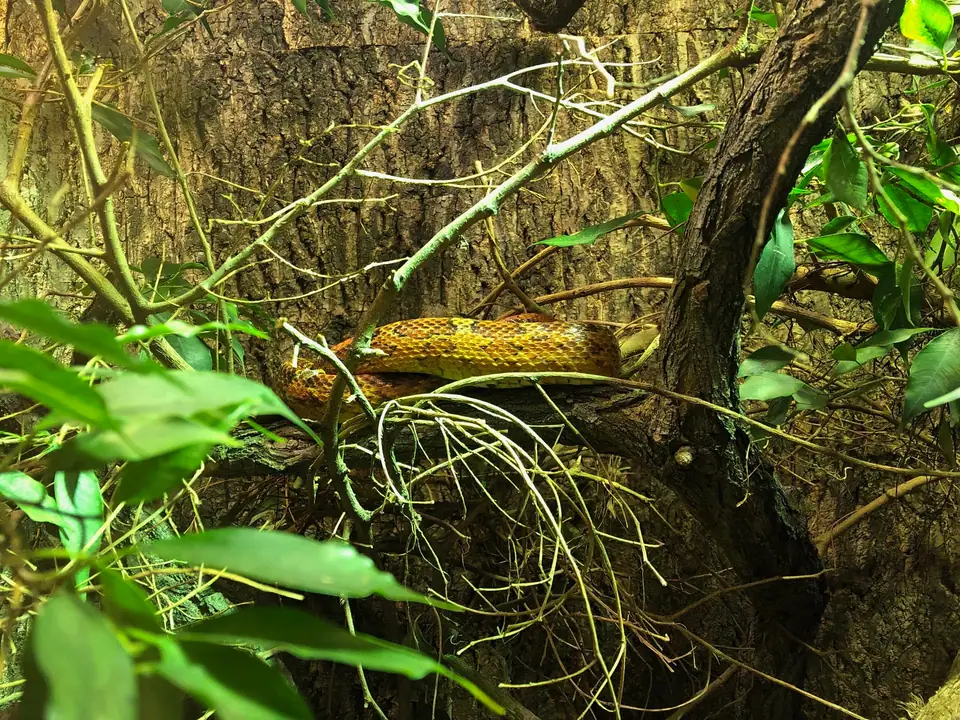
| Corn snake | 1 to 2 |
| Western hognose | 2 |
| Red-eared slider | 3 to 4 |
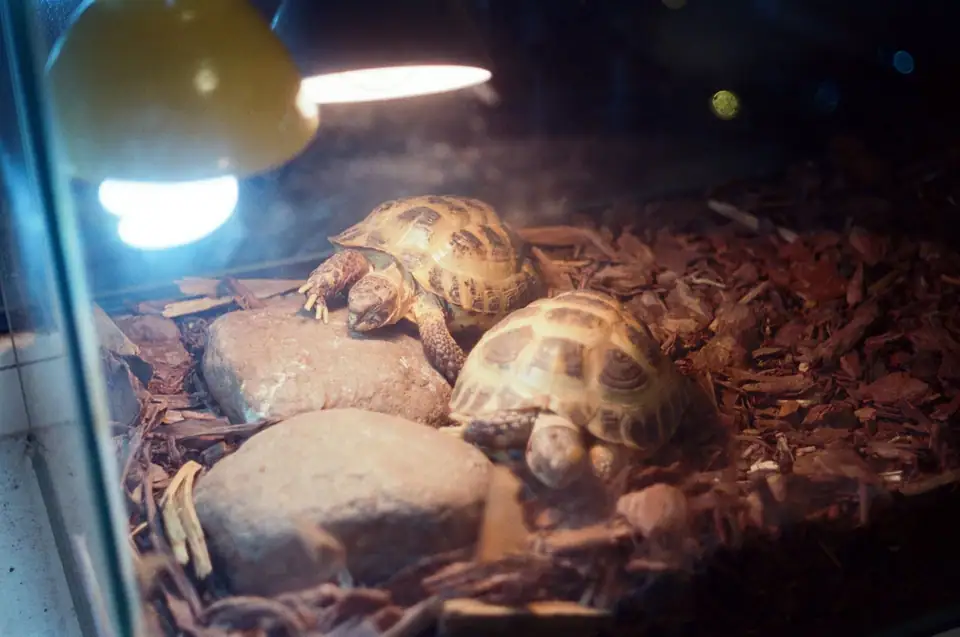
| Russian tortoise | 3 |
| Hermann’s tortoise | 3 |
| Sulcata tortoise | 3 to 4 |
Makers use the same zones but not always the same boundaries: Zoo Med’s PowerSun instructions start zone 1 at UVI 0.4 and place bearded dragons in zone 4. The species guides on this site give the other sources’ figures too.
T5 HO vs T8 vs compact vs mercury vapor
| Lamp type | What the sources say | Replacement, as the maker states it |
|---|---|---|
| T8 tube | Low UV levels, “similar to those found in outdoor shade” (UV-Tool paper) | Not stated in the sources we used |
| T5 HO tube | Twice as strong as a standard T8 (Zoo Med); can hang further from the animal for the same UVI (UV-Tool paper) | 12 months (Zoo Med ReptiSun T5 HO; Arcadia D3+ Desert) |
| Compact fluorescent | Zoo Med says screens significantly reduce its UVB and gives a 150-hour burn-in | 12 months (Zoo Med ReptiSun 5.0 compact) |
| Mercury vapor | UVA, UVB and heat in one self-ballasted lamp; needs a ceramic socket; no dimmers (Zoo Med PowerSun) | Once a year (Zoo Med PowerSun) |
VCA’s lighting page gives 9 to 12 months or the maker’s interval. The UV-Tool paper measured a mean UV drop of 39.9 percent after 4,000 hours in one test set, and found some brands may not need replacing for at least a year while another lost 64 percent after 1,000 hours. Output falls with use at different rates by brand, which is why the maker’s own interval is the one to follow.
How far should the lamp be?
Distance sets the dose. Arcadia publishes a chart for its D3+ Desert 12% tube, measured with a Solarmeter 6.5 UV meter directly under the lamp:
| Distance | T5 tube in reflector (max UVI) | T8 tube with reflector (average UVI) |
|---|---|---|
| 10 in | Not listed | 4.0 |
| 12 in | “Use with caution” | 2.95 |
| 15 in | 6.5 | 1.9 |
| 18 in | 4.4 | Not listed |
| 20 in | 3.8 | Not listed |
| 24 in | 2.4 | Not listed |
That is one lamp from one maker. Every tube, reflector and mesh changes the numbers, so use the chart for the lamp you buy, or measure with a UV meter. Zoo Med says to keep its T5 HO lamps at least six inches from the animal.
UVB through glass and mesh
The UV-Tool paper says ordinary glass or plastics must never sit between the lamp and the animal, because they normally block all UVB. Mesh lets most of it through but not all: Arcadia puts the loss from a mesh lid at about 30 percent, Zoo Med says fine mesh blocks up to 50 percent, and older UV Guide UK tests measured 15 to 35 percent depending on the mesh.
T5 HO fixtures, UVB tubes and mercury vapor lamps
Live listings, shown by eBay
Opens eBay in a new tab. Check condition, seller feedback and returns.
Mercury vapor bulbs: heat and UVB in one
Zoo Med’s PowerSun instructions give distances by zone. For zones 1 and 2 the 100-watt lamp hangs 20 to 32 inches away; for zone 4 it hangs 6 to 10 inches away, and 0 to 6 inches is marked as danger. It says to avoid UVI 7.0 or more even for zone 4 species.
No dimmer on a mercury vapor lamp
Zoo Med says its mercury vapor lamps cannot be used with dimmers or rheostats, and its ReptiTemp thermostat manual says not to use that unit to control them. Control the heat with distance, and use a ceramic socket, as Zoo Med specifies.
Why UVB matters
VCA says failing to provide UV light can predispose a pet reptile to metabolic bone disease. Metabolic bone disease is for a reptile veterinarian to diagnose and treat, and VCA says any change from normal should be checked by your vet right away. A new lamp does not replace that visit. The UV-Tool paper also says all bulbs should be out of the animal’s reach, with wire guards where needed.
For species setups, see the bearded dragon enclosure, leopard gecko tank and turtle tank guides. Heat is covered in heat lamps and thermostats, and the full list is in the reptile supplies checklist.
Frequently asked questions
What UVB does a bearded dragon need?
The UV-Tool study puts bearded dragons in Ferguson zone 3 to 4, the full sun baskers. In practice that means a strong T5 HO tube over a basking spot, with the distance set from the maker's chart. The RSPCA asks for UV Index 3.0 to 5.0 in the basking zone.
Is T5 or T8 UVB better?
T5 HO tubes are stronger. Zoo Med says its T5 HO lamp is twice as strong as its standard T8, and the UV-Tool paper notes T5 HO tubes can hang further from the animal for the same UV level. T8 tubes give low levels similar to outdoor shade.
How often should you replace a UVB bulb?
Follow the maker: Zoo Med and Arcadia both say 12 months for their T5 tubes, and Zoo Med says a year for its PowerSun. VCA gives 9 to 12 months on its lighting page. UV output falls with use; the UV-Tool paper measured a mean drop of about 40 percent after 4,000 hours.
Can UVB go through glass?
No. The UV-Tool paper says ordinary glass and plastics normally block all UVB, and Zoo Med and VCA say never to put glass or plastic between the lamp and the animal. Mesh lets UVB through but still blocks part of it.
Can a mercury vapor bulb go on a thermostat?
Not a dimming one. Zoo Med says its PowerSun mercury vapor lamps cannot be used with dimmers, and its ReptiTemp thermostat manual says not to use that thermostat to control them. Set the temperature with the lamp's distance instead.
Sources
- How much UVB does my reptile need? The UV-Tool, a guide to the selection of UV lighting for reptiles and amphibians in captivity (Baines et al. 2016)Journal of Zoo and Aquarium Research
- Lighting Requirements for ReptilesVCA Animal Hospitals
- Lighting & UVB EducationZoo Med Laboratories
- ReptiSun T5 HO Terrarium Hood instructionsZoo Med Laboratories
- ReptiSun 5.0 UVB T5 HO High Output Linear LampZoo Med Laboratories
- ReptiSun 5.0 compact fluorescent instructionsZoo Med Laboratories
- PowerSun UVZoo Med Laboratories
- PowerSun UV instructionsZoo Med Laboratories
- D3+ Desert 12% UVB lampArcadia Reptile
- Full Sun Baskers (UVB lighting)Arcadia Reptile
- Fluorescent tube mesh testsUV Guide UK (Frances Baines)
- Bearded Dragons - DiseasesVCA Animal Hospitals
- How To Care For Your Bearded DragonRSPCA
- ReptiTemp RT-600 thermostat instructionsZoo Med Laboratories
- Reptiles and Amphibians (Healthy Pets)CDC
Filed under Heat and UVBStart here: Reptile Supplies Checklist: What Every Enclosure Needs, by Species
Related setups and guides
Checklist
Reptile Supplies Checklist: What Every Enclosure Needs, by Species
The supplies every reptile enclosure needs, and a species table of adult size, enclosure, basking heat, UVB zone and diet, each from a named vet or zoo source.
Comparison
Reptile Heat Lamps, Heat Mats and Thermostats: What to Use Where
Basking bulbs, halogens, heat projectors, ceramic emitters, heat mats and panels compared, and the thermostat each needs, from maker manuals, VCA and the RSPCA.
Comparison
Ball Python Enclosure: PVC vs Glass, Humidity and Heat
Ball python enclosure size, PVC vs glass vs wood, humidity for clean sheds, heat on a thermostat, hides and substrate, from VCA, the RSPCA and a herp society.
Setup guide
Bearded Dragon Enclosure: Size, Setup and the Gear It Needs
How big a bearded dragon enclosure should be, basking and cool-side temperatures, UVB, heat, substrate and hides, from VCA, the RSPCA and the UV-Tool study.