EnclosuresChecklist
Reptile Supplies Checklist: What Every Enclosure Needs, by Species
The supplies every reptile enclosure needs, and a species table of adult size, enclosure, basking heat, UVB zone and diet, each from a named vet or zoo source.
We earn from qualifying purchases through links on this page. How we make money.
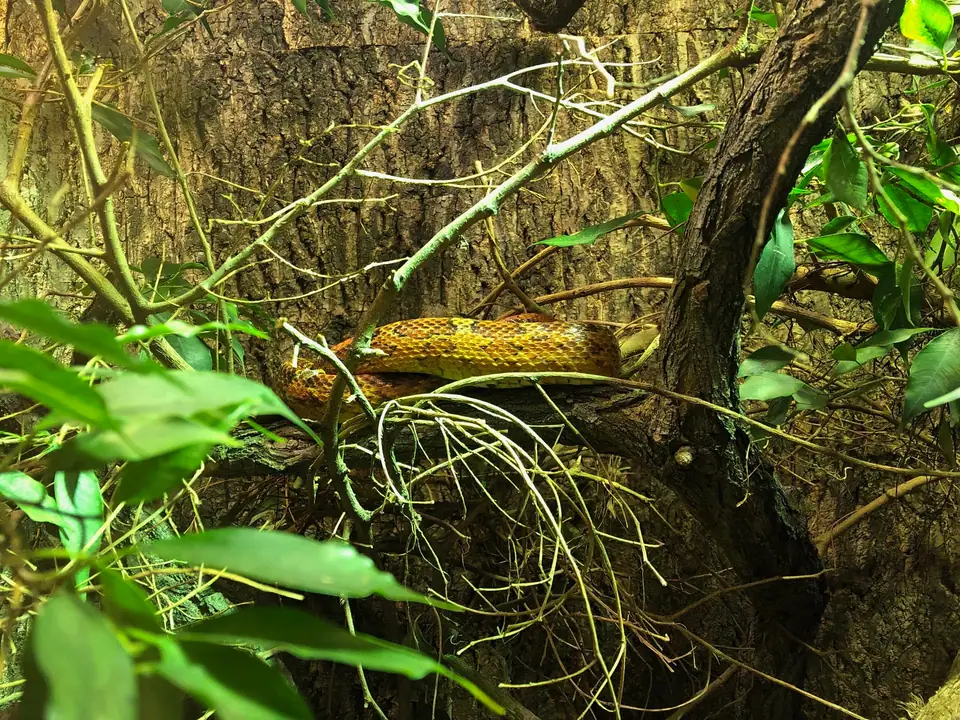
Every reptile enclosure needs the same eight things: the right size of enclosure, a heat source on a thermostat, UVB sized to the species, thermometers and a hygrometer, at least two hides, a safe substrate, a heavy water bowl, and the right food and supplements. The numbers differ by species, so start with the table below.
The eight things every enclosure needs
- An enclosure sized for the adult. Sizes range from 10 gallons for one leopard gecko (VCA) to about 4 by 2 by 2 feet for a bearded dragon (RSPCA).
- Heat, with a warm end and a cool end. VCA places heat sources outside the enclosure above one end, and the RSPCA says a thermostat must be used with all heat sources. See heat lamps and thermostats.
- UVB lighting matched to the species’ zone, with no glass or plastic between lamp and animal. See reptile UVB lighting.
- Thermometers and a hygrometer. VCA puts a thermometer at each end of the enclosure.
- Hides, at least one on the warm side and one on the cool side.
- A safe substrate. VCA warns that sand, gravel, corncob and walnut shells can cause impaction if eaten.
- A heavy water bowl that will not tip.
- Food and supplements for the species’ diet: see what bearded dragons eat and turtle and tortoise food.
Front-opening glass terrariums
Live listings, shown by eBay
Opens eBay in a new tab. Check condition, seller feedback and returns.
Species at a glance
Every figure below names its source. Where sources disagree, the species guide gives each one.
| Species | Adult size | Adult enclosure | Warm or basking side | UVB zone (UV-Tool) | Diet |
|---|---|---|---|---|---|
| Bearded dragon | 18 to 22 in (VCA) | 60 to 100 gal (VCA); 120 x 60 x 60 cm (RSPCA) | 90 to 100°F (VCA) | 3 to 4 | Insects and plants (VCA) |
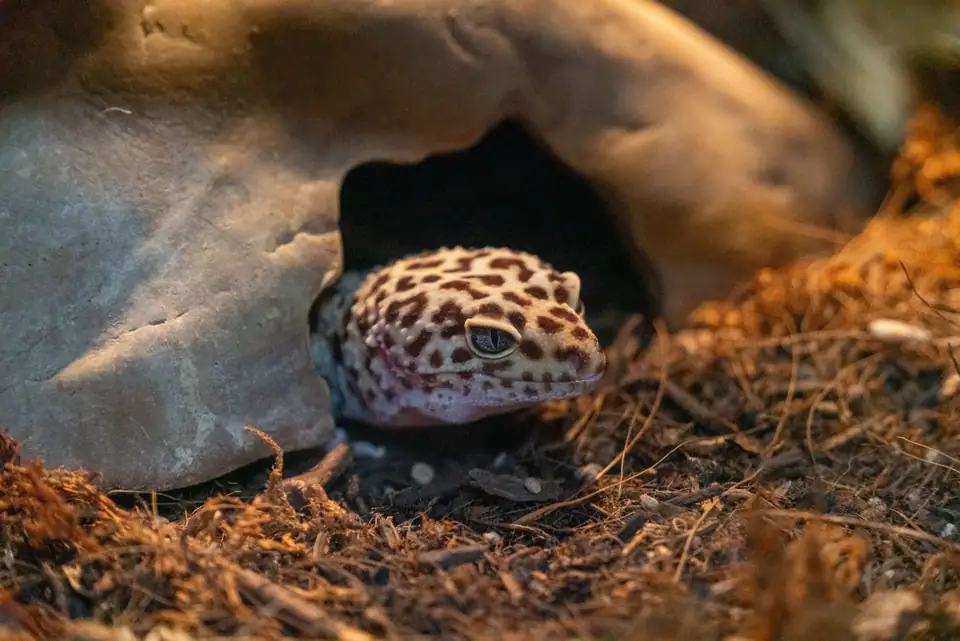
| Leopard gecko | 5 to 10 in (VCA) | 10 gal (VCA); 60 x 40 x 30 cm (RSPCA) | 28 to 30°C, 82 to 86°F (RSPCA) | 1 | Insects (VCA) |
| Ball python | 3 to 5 ft (VCA) | 48 x 24 x 24 in (PHS) | 88 to 92°F (PHS) | 2 | Frozen-thawed rodents (PHS) |
| Corn snake | 4 to 6 ft (VCA) | 36 x 18 x 18 in minimum (PHS) | 85 to 90°F (PHS) | 1 to 2 | Mice (VCA) |
| Western hognose | 15 to 25 in (CNAH) | 20 to 40 gal (Tree of Life) | 88 to 92°F (Tree of Life) | 2 | Frozen-thawed mice (Tree of Life) |
| King snake | 3 to 4 ft, most adults (PHS) | 36 x 18 x 18 in minimum (PHS) | 84 to 88°F (PHS) | Not listed | Mice (VCA) |
| Red-eared slider | 7 to 12 in shell (VCA) | 10 gal per inch of shell (VCA) | Basking 75 to 88°F (VCA) | 3 to 4 | Omnivore; young eat more protein (VCA) |
| Russian tortoise | 5 to 8 in (University of Illinois) | Open tortoise table, not a glass tank (Tortoise Trust) | Ask your reptile vet | 3 | Leaves and flowers (Tortoise Trust) |
| Sulcata tortoise | Almost 3 ft, to 150 lb (VCA) | 6 x 6 ft indoors plus a large yard (Tortoise Trust) | Ask your reptile vet | 3 to 4 | Grasses, no fruit (Tortoise Trust) |
PHS is the Phoenix Herpetological Society; CNAH the Center for North American Herpetology; Tree of Life is Tree of Life Exotic Pet Medical Center. UVB zones come from the UV-Tool study by Baines and colleagues (2016), which does not list king snakes.
Where the sources disagree. The minimums are not settled. For one leopard gecko, VCA says 10 gallons and the RSPCA asks for roughly twice that. For bearded dragon lifespans, VCA says about 7 to 12 years and the RSPCA 10 to 15 or more. For adult dragon diets, the insect share runs from 50 percent (VCA) to 25 percent (Washington State University). Each species guide sets the figures side by side so you can see the range.
Heat and UVB: the two things to get right
Many of the warnings in the sources are about heat and light. VCA calls hot rocks “dangerous, ineffective” and says they are notorious for burning reptiles, and it links a lack of UV light to metabolic bone disease. Zoo Med and VCA both say glass and most plastics block UVB.
Heat safety
Put every heater on a thermostat and behind a guard, and never use a hot rock. Check both ends of the enclosure with a thermometer every day, as the RSPCA advises, because thermostats are not always accurate.
UVB lamps and fixtures
Live listings, shown by eBay
Opens eBay in a new tab. Check condition, seller feedback and returns.
Thermostats and gauges
A thermostat holds the temperature; a thermometer proves it. Makers pair dimming thermostats with basking bulbs and heat projectors, and the RSPCA uses an on/off thermostat for heat mats. The heat lamps and thermostats guide has the full comparison.
Reptile thermostats and heat mats
Live listings, shown by eBay
Opens eBay in a new tab. Check condition, seller feedback and returns.
Hygiene and vet care
Salmonella and hand washing
The CDC says to wash your hands after handling reptiles, their food or anything in their enclosure, and never to clean habitats in food preparation areas. It says children younger than 5 should not handle or touch reptiles or their environments.
VCA says a new bearded dragon should see a veterinarian familiar with reptiles within 48 hours of purchase, and that any change from normal should be evaluated by your veterinarian right away. This site gives no medical advice beyond that: for health questions, see a reptile veterinarian.
All the guides
- Enclosures: bearded dragon, leopard gecko, ball python, corn snake, hognose and king snake.
- Heat and UVB: UVB lighting, heat lamps and thermostats.
- Food: what bearded dragons eat, turtle and tortoise food.
- Turtles and tortoises: turtle tank setup, tortoise enclosures.
- Gifts: gifts for reptile keepers.
Frequently asked questions
What supplies do I need for a reptile?
An enclosure of the right size, a heat source on a thermostat, UVB lighting sized to the species, thermometers and a hygrometer, at least two hides, a safe substrate, a heavy water bowl, and the food and supplements the species eats. The sizes and temperatures differ by species.
What is the easiest reptile setup for a beginner?
Smaller species need smaller enclosures: VCA says a single leopard gecko can live in a 10-gallon tank, while an adult bearded dragon needs 60 to 100 gallons or more. Pick the species first, then buy the enclosure for its adult size.
Do all reptiles need UVB?
Sources differ by species. VCA calls UV essential for bearded dragons and says all tortoises need it; for snakes it says veterinarians are divided but UV may be beneficial. The UV-Tool study sets a UVB zone for each species, from 1 for shade dwellers to 4 for full-sun baskers.
Where should I buy reptile supplies?
Any store that sells the right sizes and types. We do not rank stores; this site lists live eBay listings for dry goods and gear and never links live animals, feeder insects or feeder rodents.
Do reptiles carry Salmonella?
They can. The CDC says to wash your hands after handling reptiles, their food or anything in their enclosure, and that children under 5, adults over 65 and people with weakened immune systems are more likely to get sick.
Sources
- Bearded Dragons - HousingVCA Animal Hospitals
- Owning Bearded DragonsVCA Animal Hospitals
- Feeding Bearded DragonsVCA Animal Hospitals
- Bearded Dragons - DiseasesVCA Animal Hospitals
- Bearded dragon husbandryWashington State University Veterinary Teaching Hospital
- Leopard Geckos: Care and FeedingVCA Animal Hospitals
- Snakes - HousingVCA Animal Hospitals
- Snakes - ConstrictorVCA Animal Hospitals
- Snakes - ColubridVCA Animal Hospitals
- Housing Aquatic TurtlesVCA Animal Hospitals
- Owning Aquatic TurtlesVCA Animal Hospitals
- Feeding Aquatic TurtlesVCA Animal Hospitals
- Owning a TortoiseVCA Animal Hospitals
- Lighting Requirements for ReptilesVCA Animal Hospitals
- How To Care For Your Bearded DragonRSPCA
- How To Care For a Leopard GeckoRSPCA
- Ball Python Care GuidePhoenix Herpetological Society
- Corn Snake Care GuidePhoenix Herpetological Society
- Kingsnake Care GuidePhoenix Herpetological Society
- Western Hognose Snake CareTree of Life Exotic Pet Medical Center
- Plains Hog-nosed Snake (Heterodon nasicus)Center for North American Herpetology
- The tortoise and its careUniversity of Illinois College of Veterinary Medicine
- Understanding Indoor Housing and Vivarium Design for TortoisesTortoise Trust
- A Habitat for HorsfieldsTortoise Trust
- Care of the African spurred tortoise (Centrochelys sulcata)Tortoise Trust
- How much UVB does my reptile need? The UV-Tool, a guide to the selection of UV lighting for reptiles and amphibians in captivity (Baines et al. 2016)Journal of Zoo and Aquarium Research
- Lighting & UVB EducationZoo Med Laboratories
- Reptiles and Amphibians (Healthy Pets)CDC
Filed under Enclosures
Related setups and guides
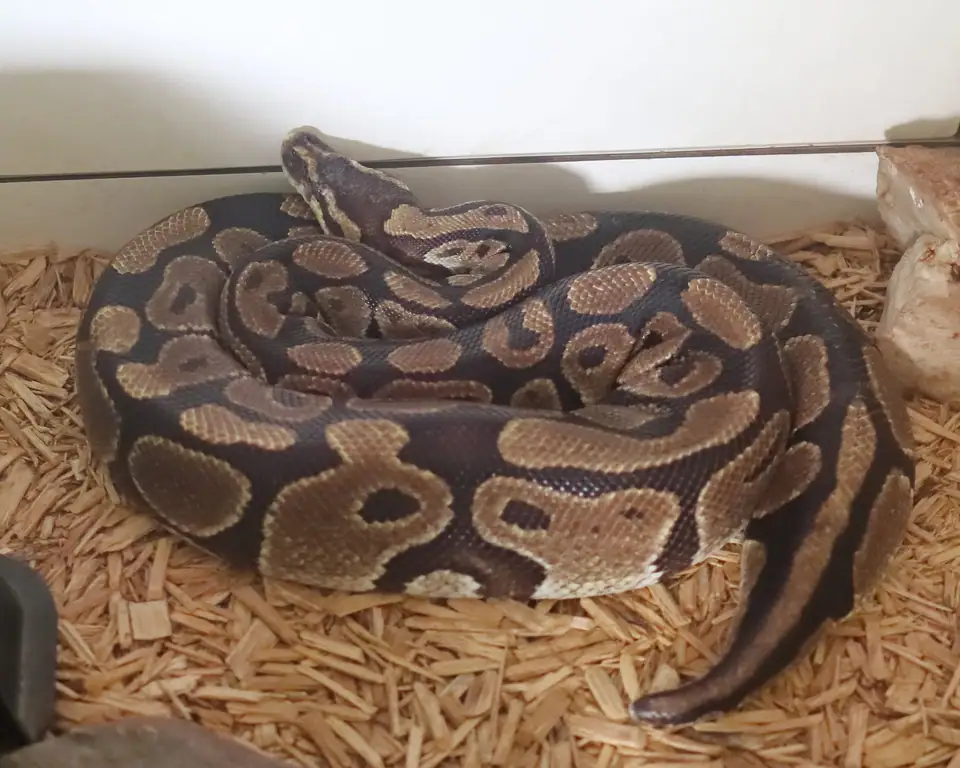
Comparison
Ball Python Enclosure: PVC vs Glass, Humidity and Heat
Ball python enclosure size, PVC vs glass vs wood, humidity for clean sheds, heat on a thermostat, hides and substrate, from VCA, the RSPCA and a herp society.
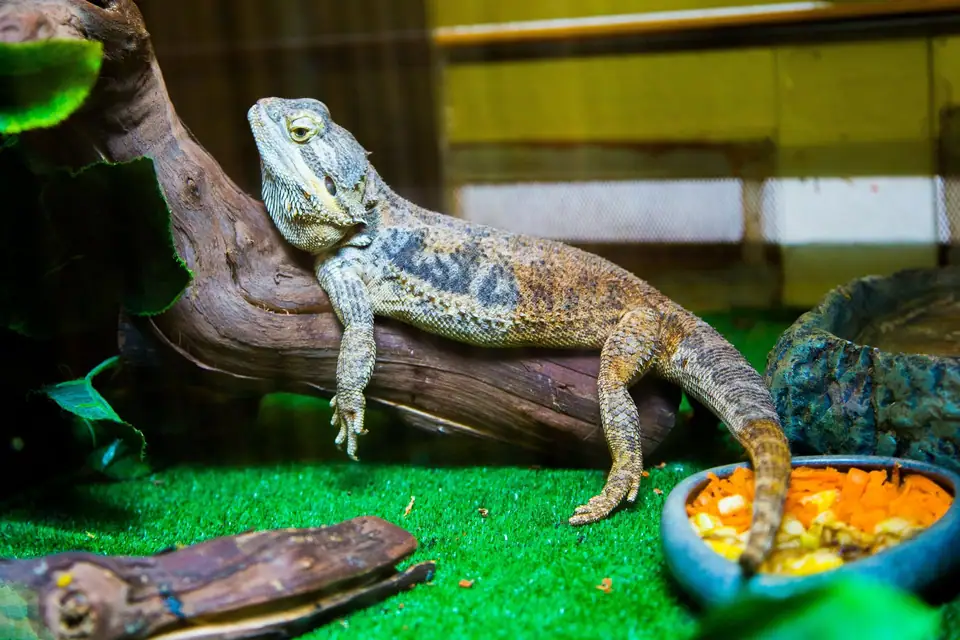
Setup guide
Bearded Dragon Enclosure: Size, Setup and the Gear It Needs
How big a bearded dragon enclosure should be, basking and cool-side temperatures, UVB, heat, substrate and hides, from VCA, the RSPCA and the UV-Tool study.
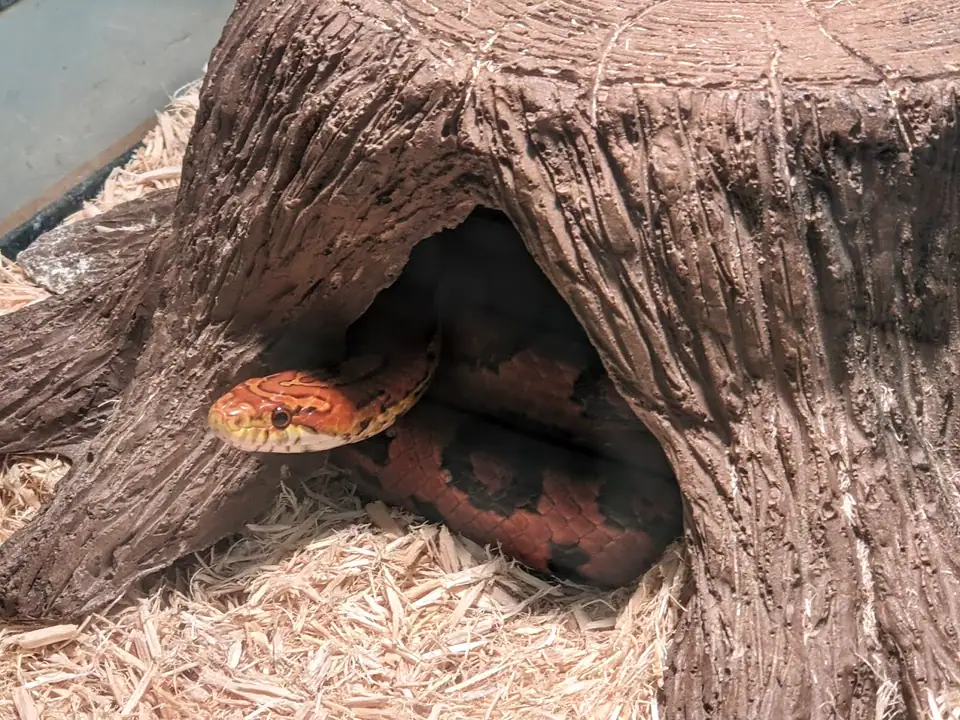
Setup guide
Corn Snake, Hognose and King Snake Enclosures: Setup by Species
Enclosure sizes, temperatures, humidity, locking lids and hides for corn snakes, western hognoses and king snakes, from vet, zoo and herp society sources.
Setup guide
Leopard Gecko Tank Setup: Tank Size, Heat Mat, Hides and Substrate
Leopard gecko tank size, warm and cool temperatures, heat mat and thermostat, three hides, substrate and UVB, from VCA, the RSPCA and the UV-Tool study.