Food and supplementsAnswer
Turtle and Tortoise Food: Pellets, Greens and What to Avoid
What aquatic turtles and tortoises eat, how often to feed them, calcium, fruit and foods to avoid, from VCA, the RSPCA, Tortoise Trust and a vet school.
We earn from qualifying purchases through links on this page. How we make money.
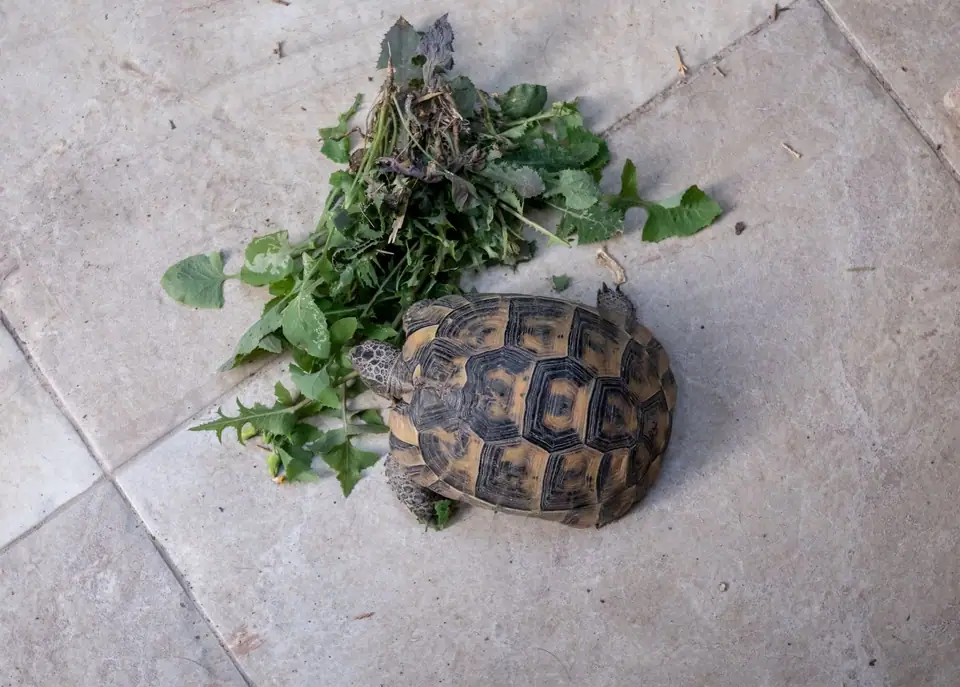
Aquatic turtles are omnivores: VCA says young ones eat mostly animal protein every day, and adults eat more greens every two or three days, from pellets plus leafy greens. Tortoises such as Russian, Hermann’s and sulcata tortoises are grazers that need weeds, grasses, greens and calcium, and Tortoise Trust says no fruit.
Aquatic turtles: pellets, protein and greens
VCA says aquatic turtles are mainly carnivorous as juveniles and become more omnivorous as they age. Its feeding page builds the diet from three parts:
| Part | What VCA lists |
|---|---|
| Pellets | High-grade commercial turtle or fish pellets |
| Protein | A variety of invertebrates and vertebrates |
| Greens | Romaine, collard greens, mustard greens, carrot tops, endive, Swiss chard, kale, parsley, green beans and dandelion greens |
It adds that some veterinarians recommend a multivitamin once a week and a calcium source, such as a calcium block or cuttlebone, twice a week.
How often: VCA says small or juvenile turtles in good health eat every day, and adults can be offered a good-sized portion every two or three days. The RSPCA feeds sliders every two days, only as much as they eat in five minutes, and warns that overfeeding can cause obesity or growth that is too fast, which can cause disease.
Never feed
VCA says to avoid iceberg or head lettuce, which is mostly water with little nutritional value, and that processed foods such as hot dogs, lunch meat and bread should never be fed to any turtle.
Tortoises: grazers, not fruit eaters
Tortoises need a very different diet. The University of Illinois College of Veterinary Medicine says tortoise diets consist of grasses, hay, greens and flowers. Tortoise Trust gives the most detail by species:
| Species | What Tortoise Trust says they eat | Fruit |
|---|---|---|
| Russian (Horsfield’s) | Leaves and flowers | “Very little (if any)” |
| Hermann’s and other Mediterranean tortoises | Plants, with calcium at least twice a week; no head lettuce | Should not be given |
| Sulcata (African spurred) | Mixed grasses, hibiscus, clover and prickly pear pads | Can cause severe colic |
Its feeding FAQ adds that species from arid places, such as sulcatas, hardly ever eat fruit in the wild.
Turtle pellets and tortoise diets
Live listings, shown by eBay
Opens eBay in a new tab. Check condition, seller feedback and returns.
Do tortoises need pellets?
They can have them. VCA says Mazuri tortoise food may be used alongside a steady supply of dark leafy greens. The University of Illinois says owners should read the ingredient list to make sure a pelleted food suits their tortoise’s species. VCA pairs pellets with fresh greens rather than feeding them alone.
Fruit: where the sources disagree
VCA’s tortoise page allows greens “and a limited amount of fruit”. The California Turtle and Tortoise Club’s Russian tortoise sheet says fruit should be offered sparingly. Tortoise Trust says fruit should not be given to Mediterranean tortoises at all, because it often leads to digestive upset, intestinal parasite growth and colic. For Russian, Hermann’s and sulcata tortoises, we follow the stricter line: little or none.
Calcium and foods to avoid
Tortoise Trust recommends a phosphorus-free calcium supplement at least twice a week for Mediterranean tortoises, more often for juveniles and egg-laying females, and a calcium and D3 supplement daily for sulcatas. The California Turtle and Tortoise Club names calcium carbonate without phosphorus.
Foods tortoises should not get
Tortoise Trust says tortoises fed cat or dog food, peas or beans often die from kidney failure or bladder stones, and not to use head lettuces such as iceberg. The California Turtle and Tortoise Club says never to feed soy, tofu or any animal protein. VCA links iceberg lettuce, high-meat diets and poor-quality commercial diets to vitamin A deficiency.
When to see a reptile vet
VCA links poor diets to disease in tortoises, including vitamin A deficiency and shell pyramiding when calcium, phosphorus or protein are out of balance. Those are diagnoses for a reptile veterinarian. We do not give dosing advice beyond the sources and the product label.
For housing, see turtle tank setup and tortoise enclosures. Bearded dragons eat differently again: see what bearded dragons eat. The reptile supplies checklist lists every species on this site.
Frequently asked questions
Should turtles be fed every day?
Young ones, yes. VCA says small or juvenile turtles in good health eat every day, while adults can be offered a good-sized portion every two or three days. The RSPCA feeds sliders every two days, only as much as they eat in five minutes.
What is the best food for an aquatic turtle?
A mix. VCA lists high-grade commercial turtle or fish pellets plus invertebrates and vertebrates for protein, and leafy greens such as romaine, collard, mustard and dandelion greens. Young turtles need more protein and adults more plants.
What do Russian tortoises eat?
Leaves and flowers. Tortoise Trust describes the Horsfield's (Russian) tortoise diet as leaves, flowers and very little, if any, fruit. The University of Illinois lists grasses, hay, greens and flowers for tortoises generally.
Can tortoises eat fruit?
Sources disagree. Tortoise Trust says fruit should not be given to Mediterranean tortoises or sulcatas because it can cause digestive upset and colic. VCA allows a limited amount of fruit for tortoises in general. For Russian, Hermann's and sulcata tortoises, little or none is the safe reading.
Do tortoises need calcium?
Yes. Tortoise Trust recommends a phosphorus-free calcium supplement at least twice a week for Mediterranean tortoises, more for juveniles and egg-laying females, and a calcium and D3 supplement daily for sulcatas. Follow your vet and the product label.
Sources
- Feeding Aquatic TurtlesVCA Animal Hospitals
- How To Care For a TerrapinRSPCA
- Owning a TortoiseVCA Animal Hospitals
- Common Diseases of TortoisesVCA Animal Hospitals
- The tortoise and its careUniversity of Illinois College of Veterinary Medicine
- Feeding Mediterranean TortoisesTortoise Trust
- Feeding FAQTortoise Trust
- Care of the African spurred tortoise (Centrochelys sulcata)Tortoise Trust
- A Habitat for HorsfieldsTortoise Trust
- Russian Tortoise careCalifornia Turtle and Tortoise Club
- Desert Tortoise CareCalifornia Turtle and Tortoise Club
- Reptiles and Amphibians (Healthy Pets)CDC
Filed under Food and supplementsStart here: Reptile Supplies Checklist: What Every Enclosure Needs, by Species
Related setups and guides
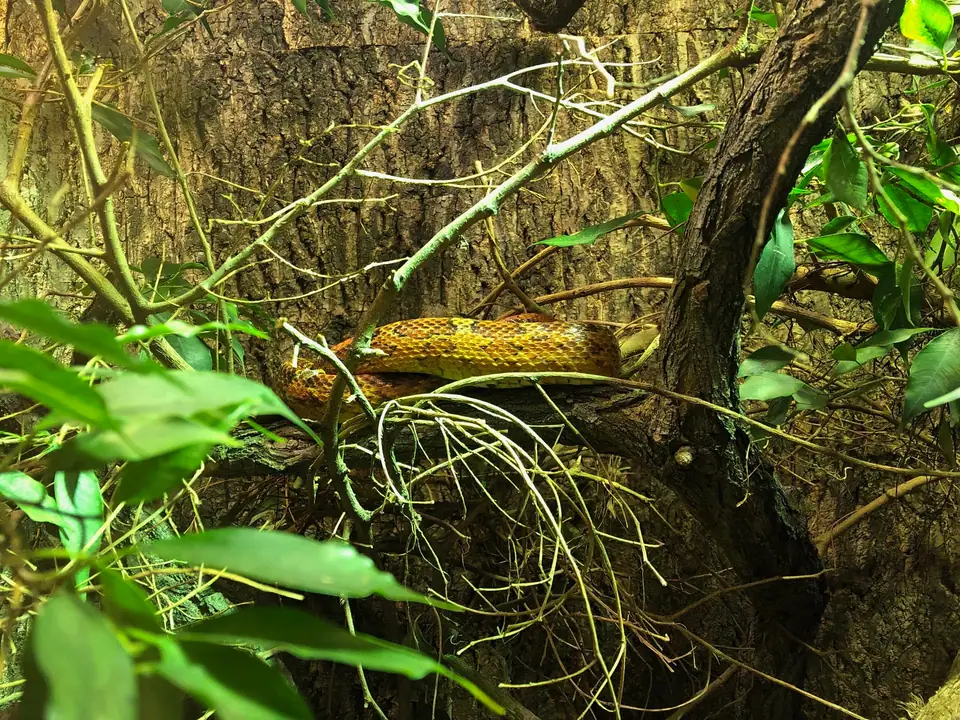
Checklist
Reptile Supplies Checklist: What Every Enclosure Needs, by Species
The supplies every reptile enclosure needs, and a species table of adult size, enclosure, basking heat, UVB zone and diet, each from a named vet or zoo source.
Roundup
Gifts for Reptile Keepers: Useful Gear and Fun Picks, by Person
Reptile gifts matched to the person: gauges and UVB for a new dragon owner, tongs for snake keepers, pens for tortoises, plush for kids, and CDC hygiene advice.
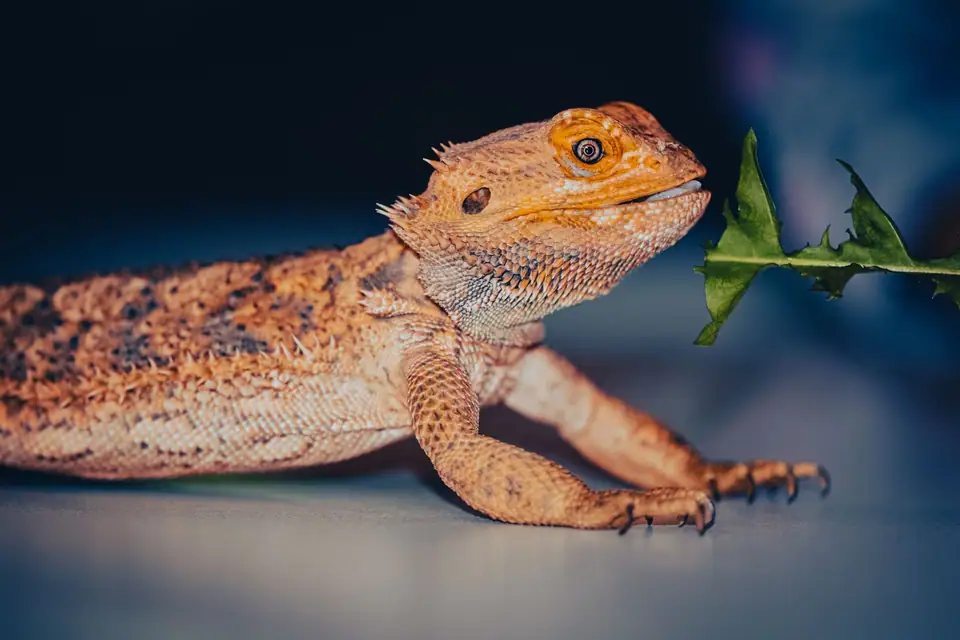
Answer
What Do Bearded Dragons Eat? Diet, Calcium and Supplements
Insects and greens by age, how often to feed, foods to limit or avoid, and calcium and vitamin D3 dusting, from VCA, RSPCA and Washington State University.
Comparison
Ball Python Enclosure: PVC vs Glass, Humidity and Heat
Ball python enclosure size, PVC vs glass vs wood, humidity for clean sheds, heat on a thermostat, hides and substrate, from VCA, the RSPCA and a herp society.