Food and supplementsAnswer
What Do Bearded Dragons Eat? Diet, Calcium and Supplements
Insects and greens by age, how often to feed, foods to limit or avoid, and calcium and vitamin D3 dusting, from VCA, RSPCA and Washington State University.
We earn from qualifying purchases through links on this page. How we make money.
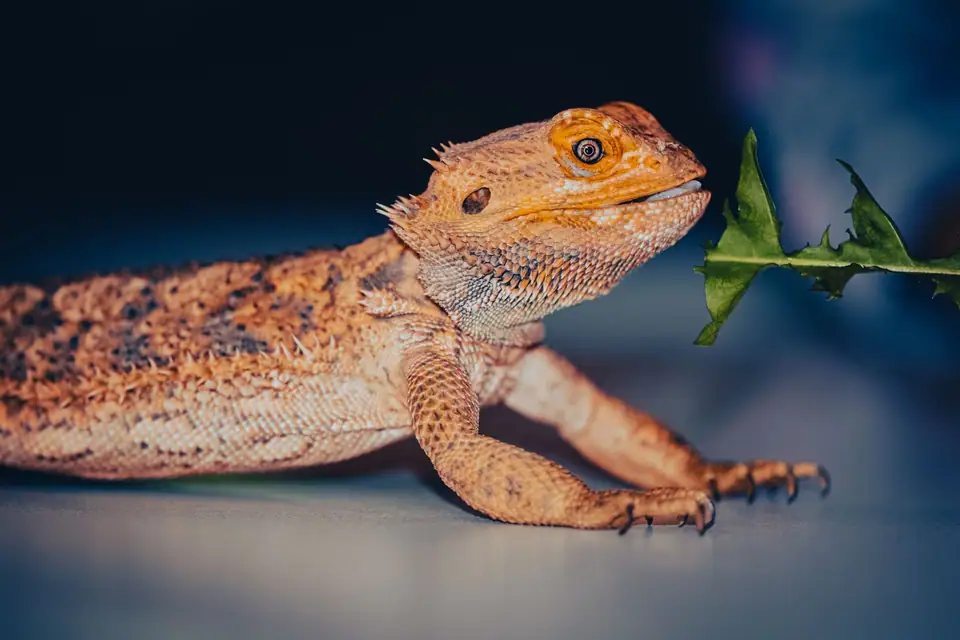
Bearded dragons are omnivores, and their diet shifts with age. VCA Animal Hospitals says young dragons eat mainly insects while adults become more herbivorous, with an overall mix near half and half. Sources differ on the adult split: the RSPCA suggests 40 percent insects, Washington State University 25 percent. Calcium dusting and UVB light protect their bones.
How much of the diet should be insects?
Every source agrees on the direction: the older the dragon, the more greens. They differ on the exact adult numbers, so here are all three side by side.
| Source | Young dragons | Adults |
|---|---|---|
| VCA Animal Hospitals | Mainly insects | About 50% plants, 50% insects overall, varying with age |
| RSPCA | 65% insects, 35% greens | 40% insects, 60% greens (dragons over 30 cm) |
| Washington State University | Primarily insects | 25% insects, 50 to 55% dark leafy greens, 20% vegetables, under 5% fruit |
VCA ties the change to growth: young dragons are growing and eat mostly insects, while adults, no longer in a growth phase, eat more vegetation and less often. Your reptile vet can tell you where your dragon should sit in these ranges.
How often should you feed a bearded dragon?
VCA says most young bearded dragons eat once or twice a day, and adults may eat only every 24 to 72 hours because they are no longer growing. The RSPCA is more frequent: babies twice a day, juveniles and adults once a day.
Whatever the schedule, VCA says fresh, clean water should always be available in a bowl that cannot tip, changed daily. It adds that misting vegetables or soaking the dragon in warm water a few times a week helps with hydration.
Which greens and fruit are safe?
VCA says 80 to 90 percent of the plant food should be leafy green vegetables. It names collard greens, dandelion greens, kale, mustard greens and turnip greens. Fruit should be only 10 to 20 percent of the plants, and VCA lists apples, bananas, figs, grapes, kiwi, mango and strawberries.
Some greens come with warnings:
- Spinach, Swiss chard and beet greens: VCA says to feed them sparingly because they contain oxalates. The RSPCA advises avoiding spinach because it prevents calcium absorption.
- Cabbage and kale: the RSPCA warns that too much can affect hormone production. VCA lists kale among good greens, so keep it as one green in a rotation rather than the staple.
Never feed fireflies
VCA Animal Hospitals says never to feed fireflies to bearded dragons, because they are generally toxic to lizards. Stick to the insects VCA names below.
Which insects do bearded dragons eat?
VCA lists calcium-dusted crickets, mealworms, dubia roaches, silkworms and hornworms, with waxworms only sparingly because of their high fat content. It also says insects should be gut-loaded (fed a nutritious diet themselves) within 12 hours of being fed to the dragon.
This site does not link live animals, including feeder insects. Live feeders come from local reptile shops and breeders. What we do list are the dry goods: dried and canned insects, pellets and supplement powders. Check the label for the maker’s feeding directions and a best-by date, and ask your vet how packaged foods fit alongside fresh greens and insects.
Calcium, vitamin D3 and multivitamins
VCA says veterinarians generally recommend a light daily sprinkle of phosphorus-free calcium powder (calcium gluconate, lactate or carbonate) on the food, plus a calcium powder with vitamin D3 two to three times a week. Washington State University gives a lighter schedule for adults: calcium on insects once or twice a week, four to five times a week for juveniles, and vitamin D3 once a week.
The sources disagree, so follow your reptile vet and the label on the product you buy. The RSPCA adds that live food should be dusted lightly with vitamin and mineral powders before feeding.
UVB and calcium work together
Dragons make vitamin D3 in their skin under UVB light, and they need D3 to use calcium. VCA says metabolic bone disease generally comes from a diet high in phosphorus and low in calcium or vitamin D3, or from a lack of UVB. See the UVB lighting guide for the lamp side of the equation.
Calcium powders, multivitamins, pellets and dried insects
Live listings, shown by eBay
Opens eBay in a new tab. Check condition, seller feedback and returns.
When should you see a reptile vet about diet?
VCA says any change from normal is cause for concern and should be checked by your veterinarian right away, and that a new dragon should be examined by a vet familiar with reptiles within 48 hours of purchase. A dragon that stops eating, loses weight or moves stiffly needs a vet, not a new supplement. We do not give dosing advice beyond what the sources and the maker’s label say.
Food is only part of a healthy setup. The bearded dragon enclosure guide covers the basking temperatures a dragon needs to digest its meals, and the reptile supplies checklist lists everything else. For shelled pets, see turtle and tortoise food. Supplement powders and dry foods also turn up in gifts for reptile keepers.
Frequently asked questions
What do bearded dragons eat every day?
A mix of insects and plants. VCA says young dragons eat mainly insects and adults lean toward vegetation. Most of the plant share should be leafy greens such as collard, dandelion, mustard and turnip greens.
How often should you feed a bearded dragon?
VCA says most young dragons eat once or twice a day and adults every 24 to 72 hours. The RSPCA advises feeding juveniles and adults once a day. Ask your reptile vet which schedule suits your dragon's age and weight.
Can bearded dragons eat fruit?
In small amounts. VCA says fruit should be only 10 to 20 percent of the plants a dragon eats, and lists apples, bananas, figs, grapes, kiwi, mango and strawberries. Washington State University keeps fruit under 5 percent of the adult diet.
Do bearded dragons need calcium powder?
Yes, according to VCA, which recommends a light daily dusting of phosphorus-free calcium and calcium with vitamin D3 two to three times a week. Washington State University gives a less frequent schedule for adults, so follow your vet and the product label.
What should bearded dragons never eat?
VCA says never to feed fireflies, which are generally toxic to lizards. It also says to feed spinach, Swiss chard and beet greens only sparingly because of their oxalates, and the RSPCA advises against spinach altogether.
Sources
- Feeding Bearded DragonsVCA Animal Hospitals
- Bearded Dragons - DiseasesVCA Animal Hospitals
- Bearded Dragons - HousingVCA Animal Hospitals
- How To Care For Your Bearded DragonRSPCA
- Bearded dragon husbandryWashington State University Veterinary Teaching Hospital
- Reptiles and Amphibians (Healthy Pets)CDC
Filed under Food and supplementsStart here: Reptile Supplies Checklist: What Every Enclosure Needs, by Species
Related setups and guides
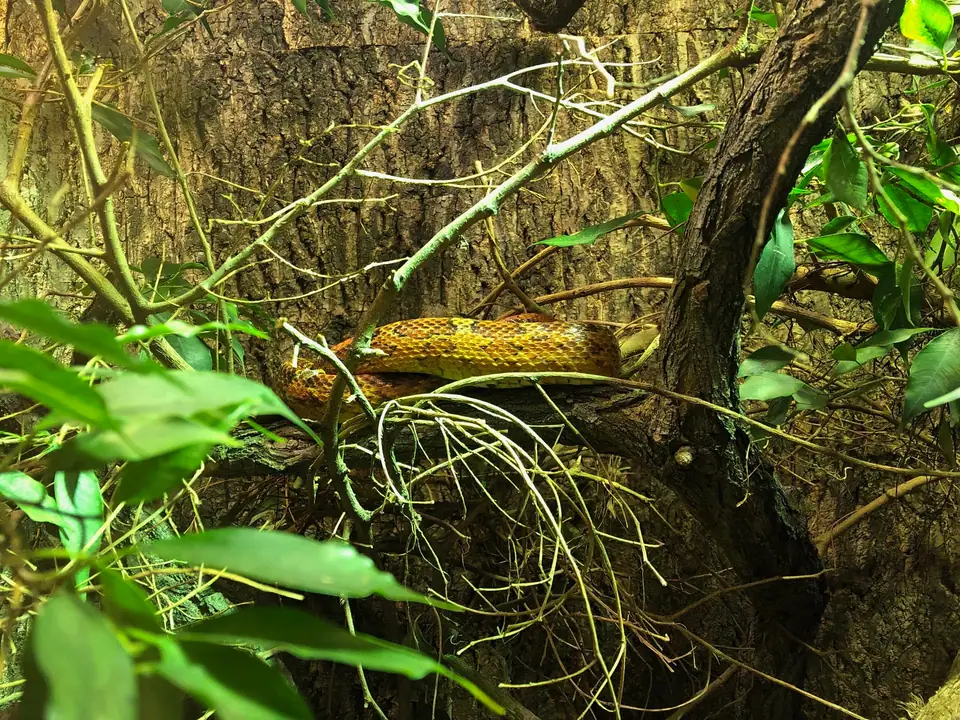
Checklist
Reptile Supplies Checklist: What Every Enclosure Needs, by Species
The supplies every reptile enclosure needs, and a species table of adult size, enclosure, basking heat, UVB zone and diet, each from a named vet or zoo source.
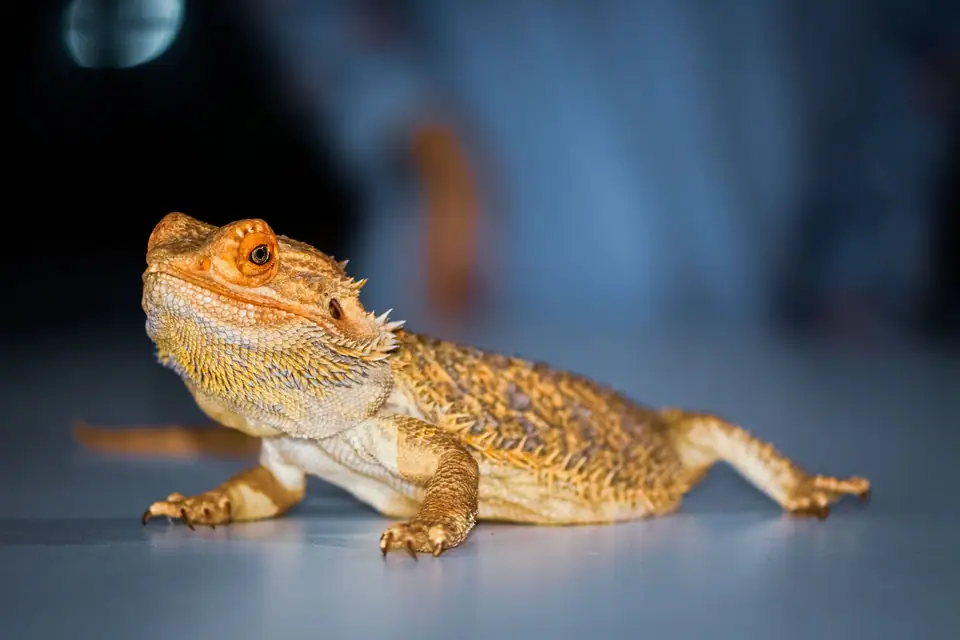
Roundup
Gifts for Reptile Keepers: Useful Gear and Fun Picks, by Person
Reptile gifts matched to the person: gauges and UVB for a new dragon owner, tongs for snake keepers, pens for tortoises, plush for kids, and CDC hygiene advice.
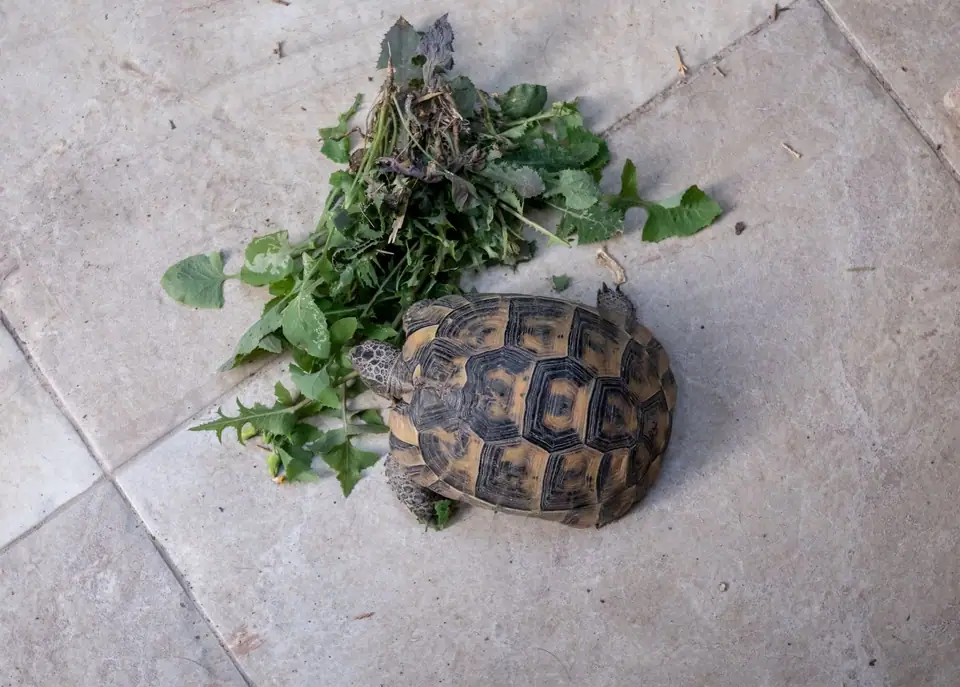
Answer
Turtle and Tortoise Food: Pellets, Greens and What to Avoid
What aquatic turtles and tortoises eat, how often to feed them, calcium, fruit and foods to avoid, from VCA, the RSPCA, Tortoise Trust and a vet school.
Comparison
Ball Python Enclosure: PVC vs Glass, Humidity and Heat
Ball python enclosure size, PVC vs glass vs wood, humidity for clean sheds, heat on a thermostat, hides and substrate, from VCA, the RSPCA and a herp society.